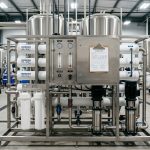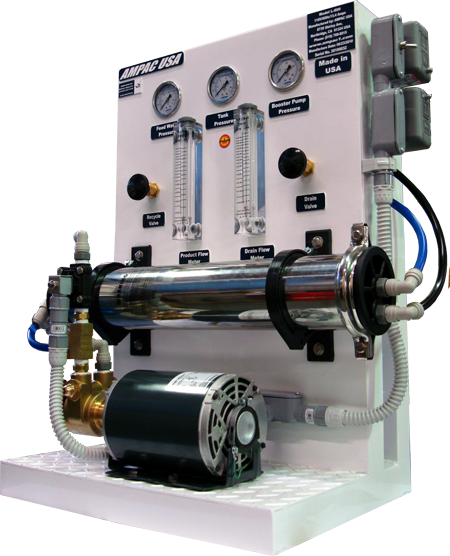

A whole house reverse osmosis (RO) system is an investment in your family’s health and the longevity of your home’s plumbing and appliances. To ensure its optimal performance, regular maintenance is essential. This comprehensive guide will walk you through the steps required to maintain your system effectively.
Understanding Your Whole House RO System
Before diving into the maintenance procedures, it’s crucial to understand the components of your whole house RO system. Typically, the system includes:
- Pre-filters: These remove sediment, chlorine, and other larger particles.
- RO membrane: The core of the system, which filters out contaminants at a molecular level.
- Post-filters: These polish the water, removing any remaining tastes or odors.
- Storage tank: Holds the filtered water until it’s needed.
- Distribution pump: Ensures consistent water pressure throughout the house.
Routine Maintenance Checklist
1. Regular Filter Replacement
Filters are the workhorses of your RO system, capturing contaminants and preventing them from reaching the RO membrane. Regular replacement is key to maintaining system efficiency.
Pre-filters should be replaced every 6 to 12 months, depending on water quality and usage. Neglecting these can lead to membrane fouling and reduced system performance.
Post-filters typically need replacement every 12 months. These filters ensure your water is free from any residual tastes and odors, providing the final polish before it reaches your taps.
2. RO Membrane Care
The RO membrane is the most critical and expensive component of your system. It should be replaced every 2 to 3 years, but this can vary based on water quality and system usage.
To extend the membrane’s life:
- Ensure pre-filters are replaced on time.
- Regularly check for signs of fouling, such as reduced water pressure or taste changes.
- Conduct periodic cleanings with a compatible RO membrane cleaner.
3. System Sanitization
Sanitizing your whole house RO system annually is essential to prevent bacterial growth and ensure water safety.
Steps to sanitize:
- Turn off the water supply to the RO system.
- Drain the storage tank completely.
- Remove the pre and post-filters.
- Add a few tablespoons of household bleach to the pre-filter housing.
- Reassemble the system and turn on the water supply.
- Allow the bleach solution to circulate for a few hours.
- Flush the system thoroughly to remove any bleach residue before reinstalling new filters.
4. Storage Tank Maintenance
The storage tank should be checked annually to ensure it’s functioning correctly.
Steps to check the storage tank:
- Turn off the RO system and drain the tank.
- Inspect for any signs of damage or leaks.
- Check the tank’s air pressure (usually around 7-8 psi when empty). Adjust if necessary.
5. Inspecting for Leaks
Regularly inspect your system for any signs of leaks. Pay close attention to:
- Filter housings
- Connection points
- Faucets
Immediate action should be taken if any leaks are detected to prevent water damage and system inefficiency.
Performance Monitoring
1. Water Quality Testing
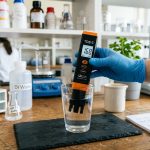
Regularly test your water quality to ensure your RO system is performing optimally. Testing kits are available that measure:
- Total Dissolved Solids (TDS)
- pH levels
- Chlorine levels
2. Pressure Checks
Monitor the water pressure throughout your home. Significant drops may indicate filter clogging or membrane fouling.
3. Flow Rate
A noticeable decrease in water flow can signify a problem within the system. Regularly check the flow rate to ensure your system is operating correctly.
Advanced Maintenance Tips
1. Installing a UV Sterilizer
For added protection against bacteria and viruses, consider installing a UV sterilizer post-RO system. This ensures any microorganisms that bypass the RO membrane are neutralized.
2. Annual Professional Inspection
While regular DIY maintenance is crucial, an annual professional inspection can help identify issues that may not be visible. A professional can:
- Conduct a thorough system check
- Test the integrity of the RO membrane
- Perform advanced cleaning and maintenance tasks
Troubleshooting Common Issues
1. Low Water Pressure
Low water pressure can be due to clogged filters, a fouled membrane, or issues with the distribution pump. Regular maintenance and timely filter replacements usually resolve this issue.
2. Unpleasant Taste or Odor
If you notice any changes in taste or odor, it could be due to exhausted post-filters or bacterial growth. Replace post-filters and sanitize the system as needed.
3. Frequent Filter Changes
If you find yourself changing filters more frequently than recommended, it may indicate poor incoming water quality. Consider installing additional pre-filtration to protect your RO system.
Conclusion
Maintaining your whole house reverse osmosis system is not just about ensuring clean and safe water; it’s about protecting your investment and ensuring the longevity of your home’s plumbing and appliances. By following this comprehensive guide and staying proactive with your maintenance routine, you can enjoy the benefits of purified water for years to come.
How to Maintain Reverse Osmosis System: Complete Maintenance Guide
Proper maintenance of reverse osmosis system components is essential for long-term performance and water quality. This guide covers how to maintain reverse osmosis system filters and membranes for both whole house and under-sink RO units — including DIY whole house reverse osmosis system maintenance that any homeowner can perform.
Do Reverse Osmosis Systems Need Maintenance?
Do reverse osmosis systems need maintenance? Yes — regular maintenance keeps your RO system performing at its best and extends the life of expensive membranes. Fortunately, maintenance on reverse osmosis systems is straightforward and largely consists of scheduled filter and membrane replacements.
RO Maintenance Schedule
Standard whole house reverse osmosis system maintenance schedule:
- Every 6-12 months: Replace pre-filter stages (sediment and carbon filters). Carbon filters remove chlorine that would otherwise damage the RO membrane.
- Every 2-5 years: Replace the RO membrane. High-quality membranes last longer with good pre-filtration and proper water treatment conditions.
- Annually: Test water quality (TDS) to confirm the membrane is performing correctly. A sudden rise in TDS indicates membrane degradation.
- Every 1-2 years: Replace post-filter (polishing carbon water filter).
- As needed: Check tank pressure (should be 7-8 PSI pre-charge), sanitize the system, and inspect all fittings for leaks.
Industrial Reverse Osmosis System Maintenance
Industrial reverse osmosis system maintenance follows similar principles but on a larger scale and more frequent schedule. Commercial and industrial RO water treatment systems typically require:
- Monthly monitoring of feed water quality, permeate TDS, and recovery rate
- Regular chemical cleaning of membranes (CIP — Clean in Place) to maintain reverse osmosis system performance and prevent biofouling or scaling
- Quarterly inspection of high-pressure pumps, pressure vessels, and instrumentation
- Annual membrane performance testing and replacement as needed
Whether you have a residential DIY whole house reverse osmosis system or a large industrial RO water treatment installation, AMPAC USA offers replacement water filter cartridges, membranes, and service support. Contact us for a customized maintenance of reverse osmosis system plan for your application.
How to Maintain Reverse Osmosis System: Complete Guide
How to maintain reverse osmosis system correctly is essential for long-term performance. Regular maintenance on reverse osmosis systems includes: replacing sediment pre-filter (every 6–12 months), replacing carbon filters (every 6–12 months), changing the RO membrane (every 2–5 years depending on water quality), and sanitizing the storage tank annually. This system maintenance schedule applies equally to residential and commercial units.
Do Reverse Osmosis Systems Need Maintenance?
Do reverse osmosis systems need maintenance? Yes — all RO systems require periodic maintenance of reverse osmosis system components to maintain water purity and flow rate. Without proper water filter changes, clogged pre-filters increase pressure on the RO membrane, reducing its lifespan and performance. The water treatment effectiveness drops significantly when filters are overdue.
DIY Whole House Reverse Osmosis System Maintenance
For a diy whole house reverse osmosis system maintenance approach: (1) shut off feed water valve, (2) depressurize the system, (3) replace all carbon filters and sediment filters, (4) check O-ring seals, (5) sanitize with food-grade hydrogen peroxide, (6) flush until water treatment produces clean output. The whole house reverse osmosis system maintenance process is straightforward for most homeowners — AMPAC systems include step-by-step guides.
Industrial Reverse Osmosis System Maintenance
Industrial reverse osmosis system maintenance requires more frequent attention due to higher water volumes, varying feed water quality, and continuous operation demands. Key steps: monitor pressure drop across pre-filters daily, track permeate flow and TDS, perform membrane cleaning (CIP) when flux drops 10–15%, and conduct quarterly system maintenance inspections. AMPAC USA provides service contracts and replacement components to maintain reverse osmosis systems at peak efficiency. Contact us for maintenance support.
How to Maintain Your Whole House Reverse Osmosis System
How to maintain reverse osmosis system equipment is an essential skill for any whole-home water treatment owner. Do reverse osmosis systems need maintenance? Yes — regular upkeep ensures peak performance and extends system life. Here is a complete guide to maintenance of reverse osmosis system components:
- Carbon filters: Replace sediment and carbon pre-filters every 6–12 months. Carbon filters protect the RO membrane from chlorine and organic compounds that cause premature degradation.
- RO membrane: Replace every 2–3 years depending on feed water quality. This is the core of whole house reverse osmosis system maintenance.
- Post-filters: Replace polishing and remineralization post-filters annually to maintain water filter output quality.
- System sanitization: Flush and sanitize the system annually as part of routine system maintenance. This prevents biofilm buildup in storage tanks and lines.
Maintenance on reverse osmosis systems also includes checking pressure gauges, inspecting fittings for leaks, and verifying storage tank bladder pressure. For facilities with high-volume equipment, industrial reverse osmosis system maintenance should follow a documented schedule with quarterly membrane integrity testing and annual performance audits.
DIY whole house reverse osmosis system maintenance is manageable for most homeowners — filter replacement requires only basic tools and takes under 30 minutes. To maintain reverse osmosis system efficiency, always use manufacturer-approved replacement filters and membranes. AMPAC USA offers full water treatment maintenance support, replacement parts, and service contracts for residential and industrial RO systems.
How to Maintain Your Whole House Reverse Osmosis System
Understanding how to maintain reverse osmosis system components is essential for long-term performance. Proper maintenance of reverse osmosis system membranes, pre-filters, and post-filters ensures consistently pure water and extends the life of your investment.
Do Reverse Osmosis Systems Need Maintenance?
Yes — do reverse osmosis systems need maintenance? Absolutely. Every RO system requires periodic filter changes, membrane inspections, and sanitization. Neglecting maintenance on reverse osmosis systems leads to reduced flow, membrane fouling, and bacterial growth.
Whole House Reverse Osmosis System Maintenance Schedule
For a whole home setup, whole house reverse osmosis system maintenance typically includes:
- Replace carbon filters every 6–12 months to remove chlorine and protect the membrane
- Inspect and replace the RO membrane every 2–5 years depending on feed water quality
- Sanitize tanks and lines annually as part of complete system maintenance
- Monitor pressure gauges — a drop indicates a clogged pre-filter or failing membrane
- Test output water treatment quality with a TDS meter quarterly
DIY Whole House Reverse Osmosis System Maintenance
A diy whole house reverse osmosis system owner can handle most routine tasks. To maintain reverse osmosis performance at home: shut off the feed valve, relieve pressure, swap the sediment and carbon filters, flush the housing, and restart. Always use NSF-certified replacement filters that match your system’s specifications.
Industrial Reverse Osmosis System Maintenance
Industrial reverse osmosis system maintenance requires more rigorous protocols. Large-scale systems need CIP (Clean-in-Place) chemical cleaning, antiscalant dosing checks, and membrane element performance logging. A professional water treatment technician should perform annual audits on industrial RO installations to ensure peak output and regulatory compliance.
Whether you own a residential water filter setup or a commercial-scale system, consistent maintenance keeps your reverse osmosis investment operating at full capacity for years to come.
Frequently Asked Questions
How quickly can an emergency water purification unit be deployed?
AMPAC USA's EPRO and mobile RO units can be operational within 30–60 minutes of arrival on-site. Trailer-mounted and skid-mounted systems are pre-plumbed and pre-wired, requiring only connection to a power source and water source. Units treat river water, lake water, or brackish groundwater.
What flow rates are available for emergency water treatment?
AMPAC USA's emergency systems range from 1,500 GPD portable units to 50,000+ GPD trailer-mounted systems. Military-specification units are available for forward operating base deployment, producing potable water meeting EPA and WHO drinking water standards from virtually any source.
Are emergency RO systems suitable for disaster relief operations?
Yes. AMPAC USA's emergency systems are used by FEMA, the U.S. military, and international NGOs for disaster relief. They treat flood water, contaminated groundwater, and brackish sources, removing bacteria, viruses, and chemical contaminants to produce safe drinking water on-site.
What power sources can emergency water purification systems use?
AMPAC USA's emergency systems can run on generator power (120/240V or 480V 3-phase), solar panels with battery backup, or vehicle power take-off (PTO). Low-power models consume as little as 0.5 kW, making them viable for off-grid deployment.
How durable are military-grade water purification systems?
AMPAC USA's military systems are built to MIL-SPEC standards with stainless steel frames, powder-coated components, and UV-resistant materials. They are designed to operate in temperatures from -20°F to 120°F and are vibration-tested for transport in military vehicles.
Conclusion
This post highlighted how emergency and military-grade water purification systems provide safe drinking water rapidly in the most challenging field conditions. For organizations requiring deployable water treatment capability, AMPAC USA engineers portable and trailer-mounted systems built to perform wherever they are needed. Contact our team at [email protected] or (909) 548-4900 to discuss your emergency water treatment requirements.
AMPAC USA engineers custom water purification systems for commercial, industrial, and emergency applications — from 500 GPD to multi-million GPD. Trusted by municipalities, military, and industry worldwide.

![Reverse Osmosis Membrane Lifespan: How Long Do RO Membranes Last? [Maintenance Guide]](https://www.ampac1.com/blog/wp-content/uploads/2026/03/membrane-lifespan-150x150.png)